
Ancient Life Awakens: 24,000-Year-Old 'Zombie' Worm Revived from Siberian Permafrost
In a discovery that blurs the lines between science fiction and reality, scientists have successfully revived a microscopic, worm-like creature known as a rotifer that has been frozen in the Siberian permafrost for an astonishing 24,000 years.
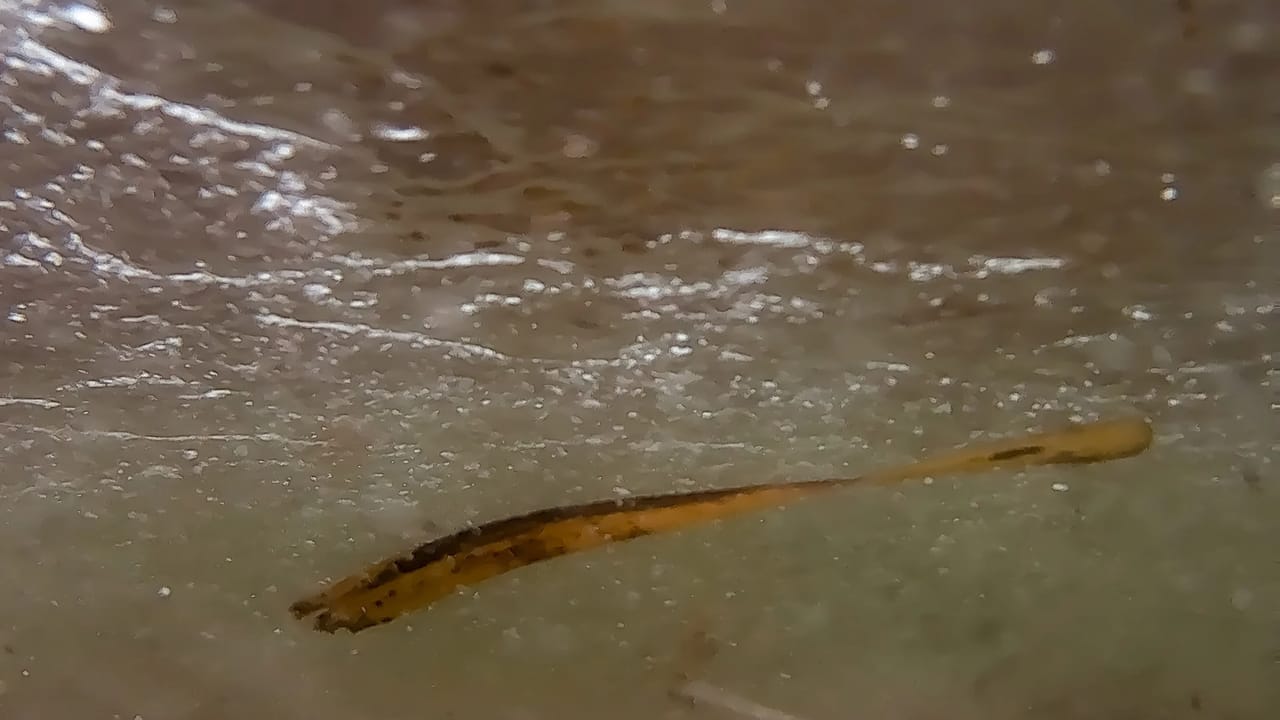
This remarkable feat provides the strongest evidence to date that complex multicellular animals can survive for millennia in a state of suspended animation, a condition called cryptobiosis, characterized by an almost completely arrested metabolism.
The Siberian 'Zombie' Worm: A Glimpse into Deep Time
Pulled from a permafrost sample in Siberia, this ancient rotifer dates back to the Late Pleistocene epoch, a period when iconic megafauna like mammoths and saber-toothed tigers roamed the Earth. Under carefully controlled laboratory conditions, researchers carefully thawed the tiny organism. To their amazement, the rotifer didn't just survive the deep freeze; it sprang back to life, moving and functioning as if it had only been dormant for a short time. Even more astonishingly, the revived creature began to reproduce asexually, creating offspring that carried on its lineage.
Also Read: Evolution's Toolkit: Co-opting Development for Diversity
Cryptobiosis: Nature's Ultimate Survival Strategy
The ability of organisms to enter cryptobiosis is one of nature's most extraordinary survival mechanisms. It allows them to endure extreme environmental conditions, such as freezing temperatures, dehydration, or lack of oxygen, by shutting down their metabolic processes to virtually undetectable levels. While simpler, single-celled organisms like bacteria and some viruses have been revived from ancient ice before, the successful resuscitation of a multicellular animal like the rotifer presents a significant advancement in our understanding of cryopreservation.
Challenges of Cryopreservation for Complex Organisms
The process of freezing and thawing can be incredibly damaging to the cellular structures of living organisms. The more complex an organism, the more vulnerable it is to ice crystal formation and dehydration, which can cause irreparable harm. For decades, scientists have dreamed of applying cryopreservation techniques, inspired by science fiction, for various purposes, but the inherent fragility of complex biological systems has remained a major hurdle. The revival of this ancient rotifer offers valuable insights into how such damage might be mitigated or how certain organisms naturally resist it over vast timescales.
Also Read: Scottish Stone Age DNA Discovery: Male Dynasties Unearthed
Here's a look at some factors influencing the survival of organisms in cryopreservation:
| Factor | Impact on Organism | Example/Notes |
|---|---|---|
| Ice Crystal Formation | Physical damage to cells and tissues. | Rapid freezing can sometimes minimize large crystal formation. |
| Dehydration | Cellular shrinkage and loss of function. | Cryoprotectants are often used to prevent excessive water loss. |
| Metabolic Rate | Lower metabolic rate aids survival during stasis. | Cryptobiosis represents an extreme reduction in metabolism. |
| Organism Complexity | More complex organisms are generally more vulnerable. | Single-celled organisms often fare better than multicellular ones. |
| Duration of Freezing | Longer periods increase the potential for damage and degradation. | The 24,000-year survival of the rotifer is exceptional. |
Potential Risks from Thawed Permafrost
While the revival of the rotifer is a scientific triumph, it also serves as a stark reminder of the potential risks associated with thawing permafrost. As global temperatures rise and ancient ice melts, previously frozen microbes, including viruses and bacteria, are being released. Although these ancient pathogens are often biologically simpler and easier to revive than complex animals, some have already demonstrated infectious capabilities after thawing. While none have yet posed a significant threat to human health, the possibility looms, especially in a warming world where permafrost thaw is occurring naturally and without scientific oversight. This highlights the critical need for ongoing monitoring and research into the microbial contents of thawing permafrost.
Looking Ahead: Implications for Science and Future Generations
The discovery of the ancient rotifer opens up exciting avenues for research. Understanding the biological mechanisms that allowed this creature to survive for millennia could lead to breakthroughs in fields such as medicine, food preservation, and even long-term space travel. It challenges our understanding of the resilience of life and underscores the vast, untapped biological resources potentially locked away in Earth's frozen regions. As we continue to explore our planet's ancient past, discoveries like this ancient 'zombie' worm remind us of the enduring power and mystery of life itself.
Test Your Knowledge: 24,000-Year-Old 'Zombie' Worm Quiz MCQs
REPORT CARD
ATTEMPTED QUESTIONS: 0CORRECT ANSWERS: 0
WRONG ANSWERS: 0
PRACTICE REGULARLY!
Frequently Asked Questions
What is a 'zombie worm' in the context of the article?
The term 'zombie worm' refers to a microscopic, multicellular animal called a rotifer that was found frozen in permafrost for 24,000 years. It is called a 'zombie worm' because it was revived from a state of suspended animation (cryptobiosis) after thawing, appearing to come back to life after millennia.
How long did the rotifer survive in frozen conditions?
The rotifer was estimated to have been frozen in the Siberian permafrost for approximately 24,000 years, dating back to the Late Pleistocene epoch.
What is cryptobiosis?
Cryptobiosis is a state of suspended animation in which metabolic activity is reduced to an almost undetectable level. Organisms in this state can survive extreme environmental conditions, such as freezing temperatures or severe dehydration, for extended periods.
Are there any potential risks associated with thawing permafrost?
Yes, thawing permafrost can release ancient microbes, including viruses and bacteria, that have been frozen for thousands of years. While many are harmless, some could potentially be infectious and pose a health risk to humans and other organisms, especially as global warming causes widespread thawing.
What are the implications of reviving an ancient multicellular organism?
The revival of an ancient multicellular organism like the rotifer provides strong evidence for the long-term survival capabilities of complex life forms in frozen states. It can lead to new research in cryopreservation, understanding extreme survival mechanisms, and potentially offer insights for fields like medicine and space exploration.