
Texas Cave Yields Astonishing Ice Age Megafauna
A breathtaking discovery in a remote Texas cave has sent ripples of excitement through the paleontological community. Researchers have unearthed remarkably preserved remains of giant creatures that roamed the Earth during the Pleistocene epoch, approximately 100,000 years ago.
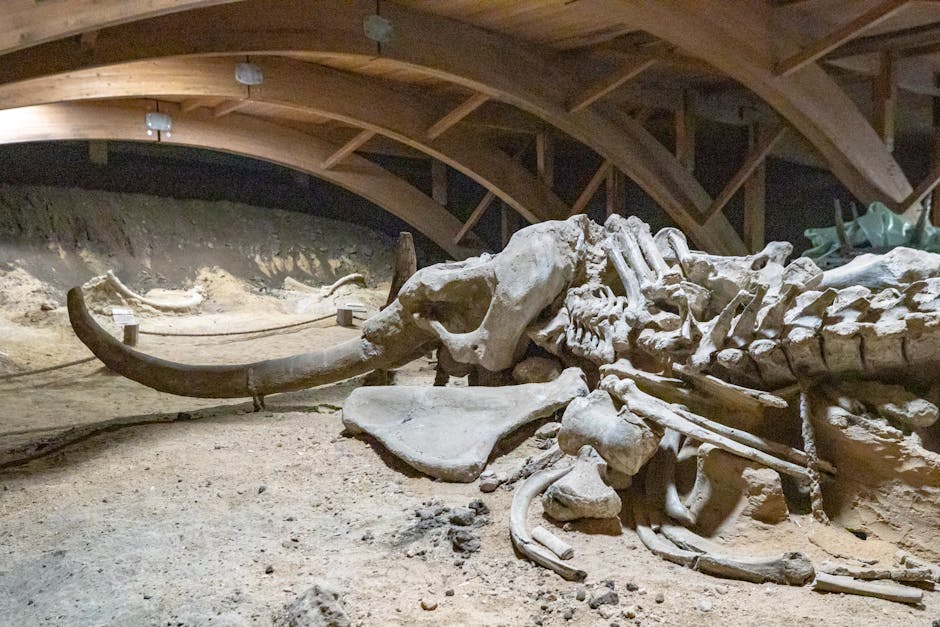
The cave, whose exact location is being kept confidential to protect the fragile site, has provided an unprecedented glimpse into a lost world of colossal mammals that once inhabited what is now the Lone Star State.
A Window into the Pleistocene
The Ice Age, a period characterized by vast glaciers and dramatically different climates, saw the rise of megafauna – animals weighing over 100 pounds. This Texas cave has yielded fossils belonging to some of the most iconic and formidable of these ancient giants, offering invaluable data for understanding prehistoric ecosystems and the evolutionary pressures that shaped them.
Key Discoveries Unearthed
Among the most significant finds are:
- Columbian Mammoth (Mammuthus columbi): These enormous relatives of modern elephants, reaching heights of up to 13 feet at the shoulder and weighing as much as 20,000 pounds, were a dominant force on the Ice Age landscape. Fossilized bones and tusks from multiple individuals suggest this cave may have been a frequent gathering spot or even a place where these giants met their end.
- Giant Ground Sloths (e.g., Eremotherium or Megatherium): Standing up to 20 feet tall when on their hind legs, these herbivorous behemoths were capable of reaching high vegetation with their long claws and powerful limbs. Their presence indicates a lush, well-watered environment existed in this region.
- Dire Wolf (Aenocyon dirus): A formidable predator, the dire wolf was larger and more robust than its modern gray wolf descendants. Fossilized remains, including jaws and teeth, provide insights into the predator-prey dynamics of the time.
- American Lion (Panthera atrox): As large as or even larger than modern African lions, these powerful big cats were apex predators. Their presence signifies a healthy and diverse prey base.
Also Read: Bronze Age Diet: What Our Ancestors Really Ate
Preservation Excellence: A Paleontologist's Dream
The exceptional preservation within the cave is a critical factor in the scientific value of this discovery. Stable, cool, and dry conditions have protected the bone material from the rapid decay typically caused by exposure to the elements. In some instances, researchers hope to find remnants of soft tissues or even DNA, which could revolutionize our understanding of these extinct species.
Significance for Texas Paleontology
Texas has a rich fossil record, but discoveries of this magnitude, offering such a detailed snapshot of a specific Ice Age ecosystem, are rare. This find will help scientists reconstruct the paleoenvironment of ancient Texas, understand migration patterns of megafauna, and study the causes of their eventual extinction. It offers a tangible connection to a past that is both alien and surprisingly close.
Future Research and Conservation
The research team plans extensive analysis of the recovered fossils, including radiocarbon dating, isotopic analysis to determine diet and habitat, and comparative anatomy studies. The ethical excavation and preservation of the cave site are paramount to ensure future scientific inquiry and to protect this invaluable natural archive.
Also Read: Gujarat 'Crater' Reclassified: Harappan Smelting Site, Not Meteorite Impact
A Glimpse into Ancient Texas
The creatures unearthed represent just a fraction of the diverse life that characterized Texas during the Pleistocene. Imagine a landscape where mammoths lumbered through grasslands, giant sloths browsed on ancient flora, and powerful predators stalked their prey. This discovery brings that prehistoric world vividly to life.
Table: Comparing Ice Age Megafauna
| Creature | Estimated Height (at shoulder) | Estimated Weight | Diet |
|---|---|---|---|
| Columbian Mammoth | Up to 13 feet | Up to 20,000 lbs | Herbivore |
| Giant Ground Sloth | Up to 20 feet (bipedal) | Varies greatly, up to 8,000 lbs | Herbivore |
| American Lion | Up to 8 feet (head and body length) | Up to 700 lbs | Carnivore |
| Dire Wolf | 30-36 inches at shoulder | 100-150 lbs | Carnivore |
Conclusion
This extraordinary cave discovery in Texas promises to significantly advance our knowledge of Ice Age ecosystems and the magnificent megafauna that once dominated the North American continent. The ongoing research is eagerly anticipated by scientists and the public alike, offering a profound connection to our planet's deep past.
Frequently Asked Questions
What significant Ice Age creatures were found in the Texas cave?
The Texas cave yielded fossils of Columbian Mammoths, Giant Ground Sloths, Dire Wolves, and American Lions, among other Ice Age megafauna.
How old are the fossils discovered in the Texas cave?
The fossils are approximately 100,000 years old, dating back to the Pleistocene epoch.
Why is the preservation of the fossils in this cave considered exceptional?
The stable, cool, and dry conditions within the cave have protected the bone material from decay, allowing for remarkable preservation.
What is the scientific significance of this discovery for Texas paleontology?
The discovery provides an unprecedented detailed snapshot of a specific Ice Age ecosystem in Texas, aiding in the reconstruction of paleoenvironments, understanding megafauna migration, and studying extinction causes.