
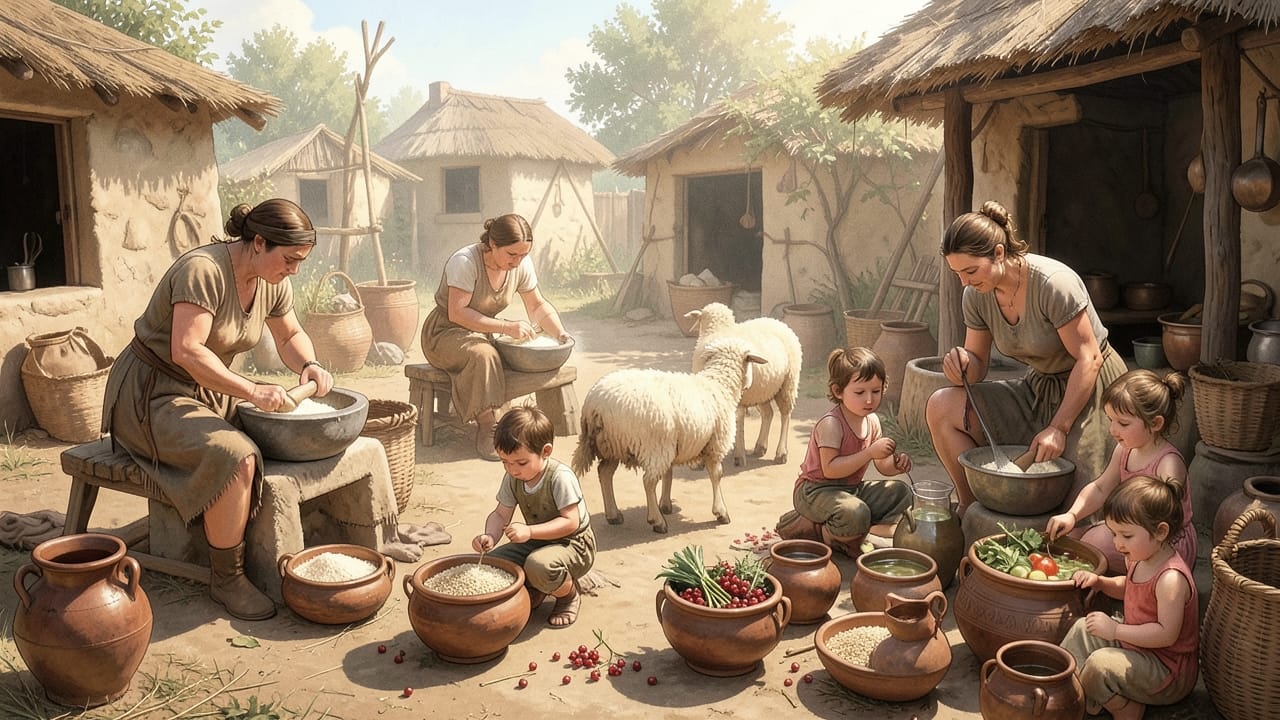
Unearthing the Culinary Secrets of the Bronze Age
The Bronze Age, a pivotal era spanning roughly from 3300 BCE to 1200 BCE, was a time of profound societal transformation. Marked by the widespread use of bronze for tools and weapons, it also witnessed significant advancements in agriculture, settlement patterns, and, perhaps most intriguingly, dietary practices. While often romanticized as a simpler time, the food and drink consumed by Bronze Age peoples reveal a complex relationship with their environment, a growing understanding of cultivation, and the foundations of many modern culinary traditions.
Staples of the Bronze Age Table
Archaeological evidence, including preserved seeds, pollen analysis, and residues found in pottery, paints a vivid picture of the Bronze Age diet. Grains formed the bedrock of sustenance across many regions. Wheat and barley were particularly prominent, cultivated extensively for their versatility. These grains were not consumed raw but were processed into various forms.
Grain Processing and Consumption
The journey from grain to meal involved significant labor and ingenuity. Archaeological findings suggest:
- Milling: Early forms of querns and grinding stones were used to process grains into flour. This was a time-consuming process, often carried out by women.
- Baking: Flatbreads, cooked on hot stones or in rudimentary ovens, were likely a common form of bread. Leavened bread may have also emerged in some cultures, though evidence is less widespread.
- Porridges and Gruels: Boiled grains, mixed with water or milk, formed nutritious porridges and gruels, especially for infants and the elderly, or during times of scarcity.
The reliance on these grains highlights the success of early agriculturalists in domesticating and cultivating key cereal crops. The ability to store grains also allowed for greater food security and the development of larger, more permanent settlements.
Also Read: Gujarat 'Crater' Reclassified: Harappan Smelting Site, Not Meteorite Impact
Beyond Grains: Proteins and Fats
While grains were central, protein and fat sources were crucial for a balanced diet. Livestock played a vital role, with sheep, goats, and cattle being the primary domesticated animals.
| Animal | Primary Products | Other Uses |
|---|---|---|
| Sheep | Meat, Wool | Milk (for cheese/yogurt) |
| Goats | Meat, Milk | (Less prized for wool than sheep) |
| Cattle | Meat, Hides | Milk, Draught power (for plowing) |
| Pigs | Meat | (Often raised in less managed conditions than other livestock) |
Hunting also supplemented the diet, with evidence of consumption of wild game like deer and boar. Fishing was important in coastal and riverine communities, providing a reliable source of protein.
Also Read: Best Foods to Eat on an Empty Stomach: Expert Health Guide
Fruits, Vegetables, and Legumes
The Bronze Age diet was far from monotonous. Wild and cultivated fruits, vegetables, and legumes added vital vitamins, minerals, and fiber.
- Legumes: Peas, beans, and lentils were cultivated, offering a valuable source of protein and nitrogen-fixing capabilities in the soil, benefiting subsequent crops.
- Vegetables: Evidence suggests consumption of root vegetables like carrots and parsnips, as well as leafy greens.
- Fruits: Berries, apples, and plums, both wild and cultivated, were gathered and likely preserved through drying.
Beverages: Water, Milk, and Fermented Drinks
Water was the primary thirst quencher. However, other beverages played significant roles:
- Milk: Consumed fresh or, more commonly, processed into dairy products like cheese and yogurt, which were easier to store and transport.
- Fermented Drinks: Evidence points to the early development of fermented beverages. While the exact nature varies by region, these could include:
- Beer: Made from fermented grains, likely a staple in many Eurasian societies.
- Wine: Grape cultivation and winemaking emerged in certain areas, particularly in the Mediterranean.
- Mead: Fermented honey, a more specialized but documented beverage.
These fermented drinks not only offered hydration but also acted as a way to preserve calories and were often considered safer than water due to the sterilization process of fermentation, especially if water sources were contaminated.
Culinary Innovations and Trade
The Bronze Age was a period of increasing trade and cultural exchange. This impacted diets significantly:
- Spice and Herb Use: While not as diverse as later periods, evidence suggests the use of local herbs and possibly imported spices for flavoring.
- Salt: Essential for preserving food, particularly meat and fish, salt became an important commodity, driving trade networks.
- New Foodstuffs: As trade routes expanded, new ingredients and food preparation techniques were introduced to different communities.
Conclusion: A Foundation for the Future
The dietary habits of Bronze Age societies were sophisticated, adaptive, and foundational. They demonstrate a deep understanding of agricultural cycles, animal husbandry, and resource management. The staples they consumed—grains, livestock, and gathered produce—along with their innovations in processing and preservation, laid the groundwork for the diverse culinary landscapes we see today. By studying their food and drink, we gain invaluable insights into the daily lives, social structures, and technological advancements of our ancient ancestors.
Frequently Asked Questions
What were the primary staple foods of the Bronze Age?
The primary staple foods of the Bronze Age were grains, particularly wheat and barley, which were processed into flour for breads, porridges, and gruels. Livestock like sheep, goats, cattle, and pigs provided meat and dairy, while legumes, fruits, and vegetables added variety and essential nutrients.
Did Bronze Age societies drink alcohol?
Yes, evidence suggests that Bronze Age societies consumed fermented beverages. These included early forms of beer made from grains, wine, particularly in Mediterranean regions, and possibly mead. These drinks served as hydration, calorie sources, and were often considered safer than water.
How did trade influence Bronze Age diets?
Trade facilitated the exchange of foodstuffs, spices, and herbs, introducing new ingredients and culinary techniques to different regions. Salt was a particularly important trade commodity for food preservation, driving the expansion of trade networks.