
Understanding Vitamin Interactions for Optimal Health
In today's health-conscious world, vitamin and mineral supplements have become a cornerstone for many seeking to fill nutritional gaps and support overall well-being. However, the journey to optimal health isn't just about what you take, but also about how you take it.
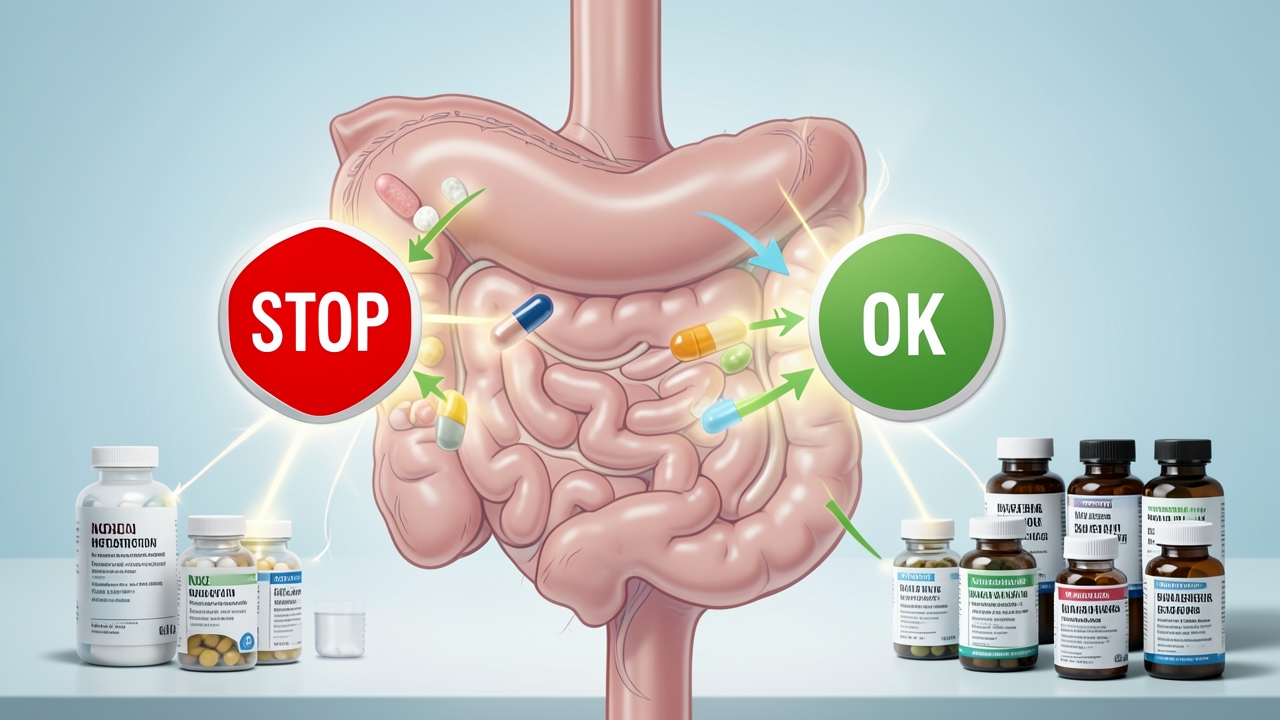
Unbeknownst to many, certain vitamins and minerals, when taken concurrently, can interact in ways that either reduce their efficacy or, in some cases, lead to adverse effects. This phenomenon, known as nutrient-nutrient interaction, is a critical aspect of supplementation often overlooked.
As expert journalists and SEO writers, we dive deep into the science behind these interactions, providing you with invaluable insights to optimize your supplement regimen. From competing absorption pathways to synergistic effects, understanding these dynamics can significantly enhance the benefits you reap from your daily dose of health.
Why Do Vitamins and Minerals Interact?
The human body is an intricate network of biochemical processes. When you introduce supplements, they enter this complex system, and their absorption, metabolism, and utilization can be influenced by the presence of other nutrients. These interactions can occur through several mechanisms:
- Competition for Absorption: Many minerals, especially those with similar ionic charges, utilize the same transport pathways in the intestines. When multiple such minerals are consumed simultaneously, they can compete for these limited transporters, leading to reduced absorption of one or more.
- Chelation: Some compounds can bind to minerals, forming a complex that prevents the mineral from being absorbed by the body.
- Synergistic Effects: On the flip side, some nutrients work better together. For instance, Vitamin D enhances calcium absorption, and Vitamin C boosts iron absorption. This article, however, focuses on the less desirable antagonistic interactions.
- Altered Metabolism: One nutrient might affect the metabolic pathway or enzyme activity related to another nutrient, impacting its active form or breakdown.
Also Read: summer health which supplements might need a dose adjustment during the hot day
Key Vitamin and Mineral Pairings to Approach with Caution
While a balanced diet provides nutrients in forms that are generally well-absorbed and balanced, concentrated supplements require more careful consideration. Here are some of the most crucial pairings to be aware of:
1. Iron and Calcium/Zinc
This is perhaps one of the most well-known interactions. Calcium can significantly inhibit the absorption of non-heme iron (the type found in plant foods and most supplements). They compete for the same absorption pathways in the small intestine.
- Interaction: Calcium reduces iron absorption. Zinc also competes with iron for absorption.
- Impact: Reduced iron bioavailability, potentially leading to iron deficiency if separation is not practiced over time.
- Recommendation: Take calcium supplements at a different time of day than iron supplements. A common suggestion is to take calcium with a meal and iron on an empty stomach (or with Vitamin C to enhance absorption) at least 2 hours apart. If taking a multivitamin with both, ensure the doses are not excessively high for either.
2. Zinc and Copper
Zinc and copper have an antagonistic relationship. High doses of zinc can induce copper deficiency by stimulating the production of metallothionein, a protein that binds to copper and prevents its absorption.
- Interaction: High zinc intake can deplete copper levels.
- Impact: Long-term excessive zinc supplementation without adequate copper can lead to copper deficiency, manifesting in issues like anemia and neurological problems.
- Recommendation: If supplementing with high doses of zinc (e.g., for immune support during a cold), ensure it's short-term. For chronic, high-dose zinc supplementation, a doctor might recommend concomitant copper supplementation at a specific ratio, often 8-15mg of zinc to 1mg of copper.
3. Magnesium and Calcium (High Doses)
While often taken together for bone health, very high doses of calcium can compete with magnesium for absorption.
- Interaction: Extremely high doses of either mineral can compete for absorption sites.
- Impact: Potential reduction in absorption for one or both, especially if taken simultaneously and in very large quantities.
- Recommendation: For moderate doses found in most multivitamins, this isn't a major concern. However, if taking separate high-dose supplements of both (e.g., >500mg calcium, >400mg magnesium), it's advisable to split the doses throughout the day to optimize absorption.
4. Vitamin K and Vitamin E (High Doses)
These fat-soluble vitamins can interact, particularly at high doses.
- Interaction: High doses of Vitamin E (e.g., >400 IU/day) can potentially interfere with Vitamin K's role in blood clotting, possibly leading to an increased risk of bleeding. This is particularly relevant for individuals on anticoagulant medications like warfarin.
- Impact: Increased risk of bleeding or reduced effectiveness of Vitamin K in clotting.
- Recommendation: Individuals on blood thinners should consult their doctor before taking Vitamin E supplements. For general supplementation, moderate doses of both are usually fine.
5. Folate (Folic Acid) and Vitamin B12
This isn't an absorption competition but a diagnostic masking issue.
- Interaction: High doses of supplemental folic acid (the synthetic form of folate) can mask the symptoms of a Vitamin B12 deficiency. Both vitamins are crucial for red blood cell formation and neurological function.
- Impact: If a B12 deficiency goes undiagnosed and untreated due to masked symptoms, it can lead to irreversible neurological damage.
- Recommendation: If you suspect a B12 deficiency or are at risk (e.g., vegetarians, vegans, older adults, those with malabsorption), ensure your B12 status is checked before taking high-dose folic acid. A balanced B-complex supplement often provides both in appropriate ratios.
Summary of Key Interactions
To help you navigate your supplement regimen, here’s a concise table summarizing the critical interactions and recommendations:
| Nutrient Pair | Interaction Type | Potential Issue | Recommendation |
|---|---|---|---|
| Iron & Calcium | Competition for absorption | Reduced iron absorption | Take at least 2 hours apart. |
| Iron & Zinc | Competition for absorption | Reduced absorption of both | Separate by a few hours if high doses. |
| Zinc & Copper | Antagonism (zinc induces copper deficiency) | Copper deficiency (anemia, neurological issues) | Take copper with high-dose zinc, or use short-term. |
| Magnesium & Calcium | Competition for absorption (at high doses) | Reduced absorption of either | Split doses throughout the day if taking high amounts. |
| Vitamin K & Vitamin E | Antagonism (Vitamin E interferes with K) | Increased bleeding risk | Consult doctor if on blood thinners; avoid very high Vitamin E. |
| Folate & Vitamin B12 | Masking of deficiency symptoms | Undiagnosed B12 deficiency leading to nerve damage | Test B12 status before high-dose folate if at risk. |
Also Read: Are Generic Drugs as Effective as Branded Ones?
General Best Practices for Supplementation
Beyond specific interactions, adopting a strategic approach to your entire supplement routine can yield better results and minimize risks.
| Do's | Don'ts |
|---|---|
| Consult a Healthcare Professional: Always discuss your supplement regimen with a doctor or registered dietitian, especially if you have underlying health conditions or are taking medications. | Self-Diagnose & Self-Prescribe: Avoid making significant changes to your supplement routine without professional guidance. |
| Read Labels Carefully: Pay attention to dosages, forms of nutrients, and recommended timing. | Assume More is Always Better: Excessive doses of certain vitamins and minerals can be harmful. |
| Stagger Intake: Separate supplements known to interact by at least 2-4 hours. | Take All Supplements at Once: Especially if they include interacting nutrients. |
| Take Fat-Soluble Vitamins (A, D, E, K) with Food: Specifically, a meal containing healthy fats to enhance absorption. | Take Fat-Soluble Vitamins on an Empty Stomach: They require fat for optimal absorption. |
| Prioritize Whole Foods: Supplements are meant to supplement, not replace, a balanced diet rich in fruits, vegetables, and lean proteins. | Rely Solely on Supplements: Nutritional synergy from whole foods is superior. |
| Consider Bioavailability: Choose nutrient forms that are easily absorbed by the body (e.g., methylfolate over folic acid, chelated minerals). | Ignore Quality: Cheap, unregulated supplements may contain fillers or inaccurate dosages. |
Conclusion: Informed Choices for a Healthier You
Understanding which vitamins and minerals should never be taken together, or at least with significant caution, is a vital step toward a truly optimized supplement routine. While the prospect of managing multiple supplements might seem daunting, a little knowledge goes a long way. By being mindful of these interactions, consulting healthcare professionals, and learning how to boost immunity naturally, you can ensure that your efforts to boost your health are not only effective but also safe.
Remember, your body is unique, and personalized advice is always the best approach. Empower yourself with knowledge, and take charge of your well-being!
Quiz: Test Your Knowledge on Vitamin Interactions!
REPORT CARD
ATTEMPTED QUESTIONS: 0CORRECT ANSWERS: 0
WRONG ANSWERS: 0
PRACTICE REGULARLY!
Frequently Asked Questions
Why shouldn't I take certain vitamins and minerals together?
Certain vitamins and minerals can compete for absorption pathways in the intestines, or one might chelate (bind) another, reducing the bioavailability of one or both. This means your body might not get the full benefits from the supplements if they are taken at the same time.
Can I take calcium and iron at the same time?
It is generally recommended to take calcium and iron supplements at separate times. Calcium can significantly inhibit the absorption of non-heme iron. Aim to take them at least 2 hours apart to maximize absorption of both.
What happens if I take zinc and copper together?
High doses of zinc can interfere with copper absorption and lead to copper deficiency over time. This is because zinc can induce the production of a protein that binds to copper, preventing its uptake. If you're on long-term high-dose zinc, a healthcare professional might recommend co-supplementing with copper.
Is it safe to take all my vitamins at once?
While many multivitamins combine various nutrients, taking individual high-dose supplements all at once might not be ideal. Nutrients like iron and calcium, or zinc and copper, are best separated. Consulting a healthcare professional or staggering your intake throughout the day is a good practice.
Should I take fat-soluble vitamins (A, D, E, K) with food?
Yes, fat-soluble vitamins (A, D, E, K) are best absorbed when taken with a meal that contains some healthy fats. This helps facilitate their absorption into the body.