
OECD Issues Stern Warning on Chemical Safety Risks in Recycled Plastics Amidst Soaring Demand
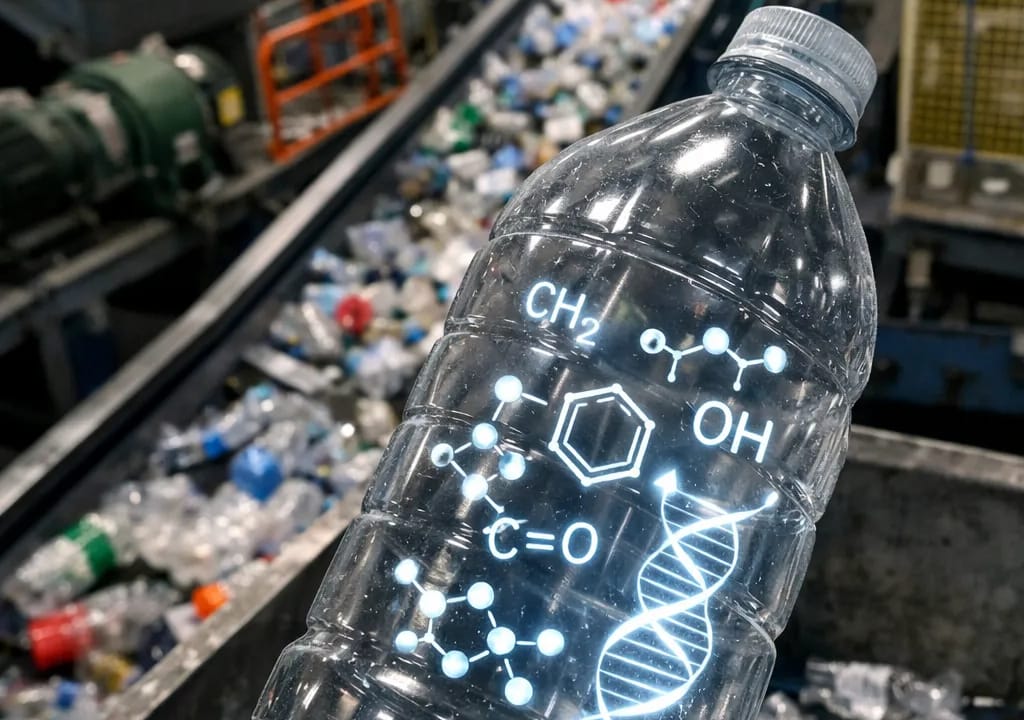
The Organisation for Economic Co-operation and Development (OECD) has sounded an alarm regarding the escalating safety concerns associated with recycled plastics. As global demand for recycled materials surges, a critical gap has emerged in the plastics economy: while the quantity of recycled plastic is being tracked, its chemical safety remains largely unverified. This oversight poses significant risks to public health and the environment, particularly in rapidly developing economies.
The comprehensive OECD report, "Chemical Content Validation of Recycled Plastics," highlights that over 13,000 distinct chemicals are utilized in the manufacturing of plastics. These include intentionally added substances like plasticizers and flame retardants, as well as Non-Intentionally Added Substances (NIAS). During the complex and often varied processes of plastic recycling, these chemicals can accumulate and interact. This phenomenon can lead to an increased potential for toxicity with each successive reuse cycle, creating a "toxic cocktail" that may be more hazardous than virgin plastic.
The Growing Challenge in High-Demand Markets
Countries like India, alongside Sub-Saharan Africa, are projected to experience the most rapid growth in plastic consumption by 2040. This surge, driven by rising incomes and expanding populations, will inevitably lead to increased volumes of plastic waste and, consequently, a greater reliance on recycled materials. However, this growth trajectory also magnifies the potential exposure risks to harmful chemicals if robust safety validation is not implemented.
Understanding Non-Intentionally Added Substances (NIAS)
A significant challenge in ensuring the safety of recycled plastics lies in the presence of NIAS. These are chemicals that are not deliberately added to the plastic formulation but can originate from various sources:
- Impurities: Contaminants present in the raw materials used during manufacturing.
- Breakdown Products: Substances formed when plastics degrade due to heat, UV exposure, or mechanical stress.
- Contaminants from Previous Use: Residues from the plastic's prior application, such as food residues or cleaning agents.
When mixed and melted during the recycling process, these unpredictable NIAS can react with each other or with intentionally added substances, potentially forming new, hazardous compounds. Unlike known additives, NIAS are notoriously difficult to identify, quantify, and test for, presenting a primary hurdle for the OECD and regulators worldwide.
Core Challenges in Chemical Validation
The OECD report outlines several key obstacles to effective chemical validation:
| Challenge Area | Description | Implications |
|---|---|---|
| Toxic Accumulation | Chemicals, including NIAS and legacy contaminants, build up over multiple recycling loops. | Recycled plastics can become more toxic than virgin counterparts with each reuse cycle. |
| Technical Hurdles | No single analytical technique can detect all 13,000+ potential chemicals. Advanced methods like chromatography and mass spectrometry are required. | High costs, complexity, and scalability issues hinder widespread adoption of thorough testing. |
| Regulatory Gaps | Existing certifications, such as ISO 15270, primarily focus on the recycling process itself rather than specific chemical safety thresholds. | Lack of standardized safety limits for chemical substances in recycled materials. |
| Economic Barriers for SMEs | The substantial investment needed for sophisticated lab equipment and skilled personnel is prohibitive for many small and medium-sized recyclers. | Limited capacity for smaller players to meet stringent international safety standards. |
Proposed Solutions for a Safer Future
To address these critical issues, the OECD proposes a multi-pronged approach:
- Shift from Content Tracking to Chemical Validation: Prioritize verifying the chemical safety of recycled materials over simply measuring recycled content percentages.
- Implement Digital Product Passports: Create a digital record that tracks the chemical composition of plastics from manufacturing through their entire lifecycle, including recycling. This enhances transparency and traceability.
- Establish Global Standards and Testing Labs: Develop internationally agreed-upon testing protocols and safety thresholds for chemicals in recycled plastics. Advocate for global levies or funding mechanisms to support the establishment and operation of advanced testing laboratories.
- Promote "Design for Recycling": Encourage manufacturers to reduce or eliminate the use of hazardous chemicals in the initial plastic production phase, thereby simplifying and de-risking the downstream recycling process.
Policy Relevance for India and Beyond
The OECD report carries significant policy implications, particularly for nations like India that are on a rapid growth curve for plastic consumption:
- Public Health Protection: Establishing rigorous chemical safety standards for recycled plastics is crucial to prevent a potential future public health crisis arising from toxic products.
- Alignment with National Regulations: The call for "Digital Product Passports" resonates with India's existing framework for Extended Producer Responsibility (EPR) and the push for better material traceability under its Plastic Waste Management Rules.
- Supporting SMEs: Acknowledging the economic barriers faced by small-scale recyclers can inform policy decisions aimed at providing financial or technical assistance for compliance with safety standards.
- Proactive Chemical Management: Encouraging "Design for Recycling" empowers policymakers to influence upstream chemical choices, making the entire plastics value chain safer and more sustainable.
By proactively addressing the chemical safety challenges inherent in recycled plastics, the global community can work towards a more sustainable and healthier circular economy, ensuring that recycled materials are not only environmentally beneficial but also safe for consumers and producers alike.
OECD Recycled Plastics Safety - MCQs Quiz
REPORT CARD
ATTEMPTED QUESTIONS: 0CORRECT ANSWERS: 0
WRONG ANSWERS: 0
PRACTICE REGULARLY!
Frequently Asked Questions
What are the main chemical safety concerns with recycled plastics according to the OECD?
The OECD flags that chemicals, including Non-Intentionally Added Substances (NIAS), can accumulate and interact during the recycling process, potentially increasing toxicity over successive reuse cycles. This means recycled plastics could be more hazardous than virgin plastics.
What are NIAS and why are they a problem in plastic recycling?
NIAS (Non-Intentionally Added Substances) are chemicals found in plastic that were not deliberately added during manufacturing. They can originate from impurities, breakdown products, or previous contamination. They are problematic because they are unpredictable, difficult to test for, and can react during recycling to form new potentially harmful compounds.
Which countries are expected to have the fastest growth in plastic use by 2040?
According to the OECD report, India and Sub-Saharan Africa are projected to experience the most rapid growth in plastic consumption by 2040, driven by rising incomes and population.
What are the key challenges in chemically validating recycled plastics?
The main challenges include the sheer number of chemicals involved (over 13,000), the technical complexity and high cost of the advanced analytical methods required for detection, the lack of global standards, and the economic barriers for small and medium-sized enterprises (SMEs).
What solutions does the OECD propose to address these risks?
The OECD recommends shifting focus from tracking recycled content to chemical validation, implementing 'Digital Product Passports' for transparency, establishing global testing standards and labs (potentially funded by global levies), and promoting 'Design for Recycling' practices at the manufacturing stage.