
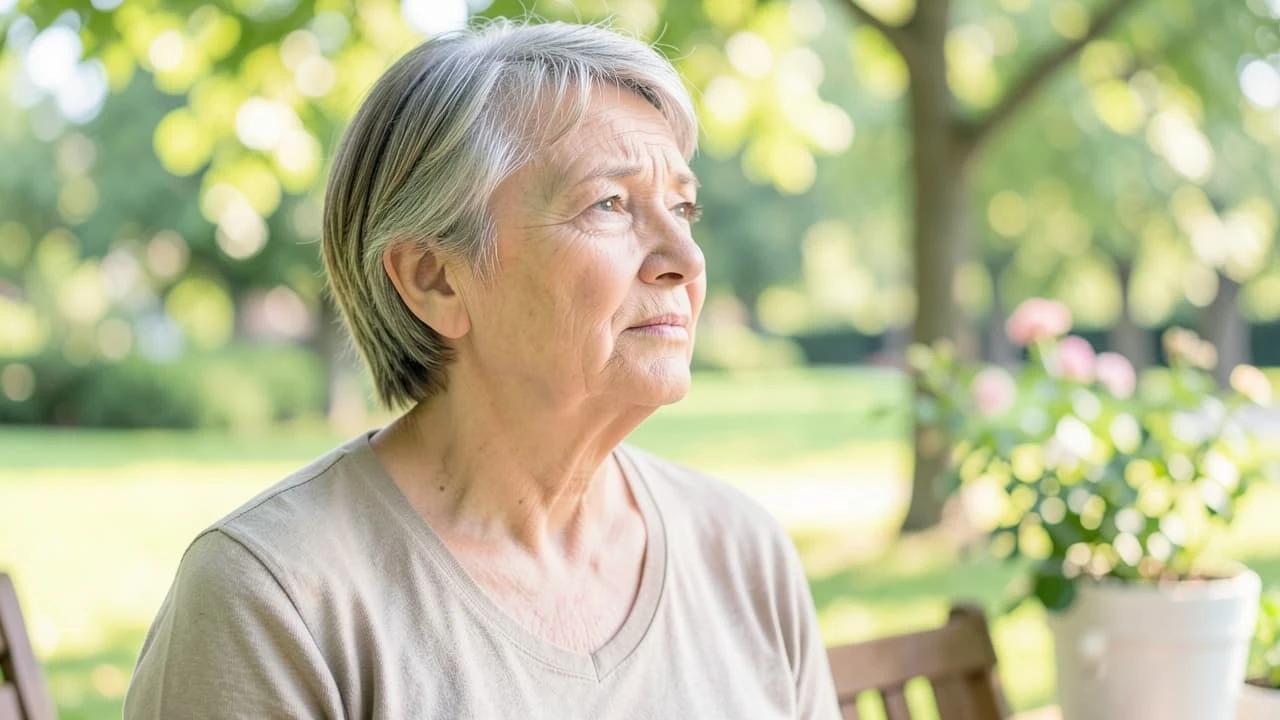
Parkinson's disease, often associated with tremors in later life, is increasingly being recognized for its subtle beginnings, sometimes striking individuals as early as their 40s. While there is no cure, understanding these early warning signs, identifying hidden risks, and adopting proactive habits can be pivotal in managing the disease's progression and enhancing quality of life.
The Silent Onset: Parkinson's in Your 40s
For many, Parkinson's conjures images of an elderly person struggling with pronounced tremors. However, a significant percentage of cases, termed 'early-onset Parkinson's disease' (EOPD), manifest before the age of 50, with some individuals experiencing symptoms in their fourth decade. The challenge lies in that these initial signs are often non-motor and easily dismissed, making early diagnosis crucial yet difficult.
Early Warning Signs You Shouldn't Ignore:
While motor symptoms like tremors are hallmark signs, they are often preceded by years, even decades, of non-motor symptoms. Being vigilant about these can lead to earlier intervention:
- Loss of Smell (Anosmia): One of the most common and earliest non-motor symptoms. A diminished ability to smell certain foods or familiar scents, without a cold or flu, warrants attention.
- Sleep Disturbances: Particularly REM sleep behavior disorder (RBD), where individuals physically act out vivid dreams. This can include punching, kicking, or shouting during sleep.
- Constipation: Chronic constipation, especially when unexplained by diet or other medical conditions, can be an early indicator.
- Mood Disorders: Persistent depression, anxiety, or apathy that doesn't respond to usual treatments.
- Voice Changes: A softer, monotone voice (hypophonia) or difficulty articulating words.
- Micrographia: Handwriting that becomes noticeably smaller and cramped.
- Balance Issues and Dizziness: Unexplained dizziness or problems with balance, often leading to falls.
- Fatigue: Persistent and overwhelming tiredness not alleviated by rest.
Motor symptoms, when they do appear, might be subtle at first: a slight tremor in one limb, stiffness in a joint, a feeling of slowness (bradykinesia), or a stooped posture. These often begin unilaterally, affecting one side of the body more than the other.
Understanding Hidden Risks and Genetic Predispositions
While the exact cause of Parkinson's is still unknown, a combination of genetic and environmental factors is believed to play a role:
- Genetics: About 10-15% of Parkinson's cases are thought to have a genetic component. Specific gene mutations (like LRRK2, PRKN, SNCA, GBA) are linked to an increased risk, particularly in early-onset forms. A family history of Parkinson's, especially in close relatives, can elevate personal risk.
- Environmental Factors: Exposure to certain pesticides, herbicides, and solvents (e.g., trichloroethylene) has been implicated in increasing Parkinson's risk. Head injuries and certain infections have also been investigated as potential triggers.
- Age: The primary risk factor, though EOPD highlights that it's not exclusively a disease of the elderly.
- Gender: Men are slightly more likely to develop Parkinson's than women.
It's important to remember that having a risk factor does not guarantee developing the disease, but it underscores the importance of awareness and early consultation with healthcare professionals.
Habits That May Slow Progression and Enhance Well-being
While there is no definitive way to prevent Parkinson's, research strongly suggests that certain lifestyle choices can positively impact symptoms, slow progression, and improve overall quality of life once diagnosed:
1. Regular Physical Exercise:
Perhaps the most powerful non-pharmacological intervention. Exercise, especially activities that challenge balance, coordination, and aerobic capacity, has neuroprotective benefits. This includes:
- Aerobic Exercise: Brisk walking, cycling, swimming, dancing.
- Strength Training: Using weights or resistance bands.
- Balance and Flexibility: Yoga, Tai Chi, Pilates.
- Task-Specific Training: Activities like boxing (often adapted for Parkinson's) can improve motor skills and coordination.
2. A Brain-Healthy Diet:
While no specific diet prevents Parkinson's, a Mediterranean-style diet, rich in antioxidants and anti-inflammatory compounds, is often recommended:
- Plenty of Fruits and Vegetables: High in antioxidants.
- Whole Grains: For sustained energy and fiber.
- Lean Proteins: Fish, poultry, legumes.
- Healthy Fats: Olive oil, nuts, avocados.
- Limit Processed Foods: Sugary drinks, unhealthy fats, and refined carbohydrates.
Hydration is also key, especially for managing constipation.
3. Mental and Social Engagement:
Keeping the brain active through learning new skills, reading, puzzles, and maintaining social connections can support cognitive function and improve mood.
4. Quality Sleep:
Addressing sleep issues, especially RBD, through medical intervention and good sleep hygiene, is crucial for both physical and mental well-being.
5. Stress Management:
Techniques like mindfulness meditation, deep breathing exercises, and spending time in nature can help manage stress, which can exacerbate Parkinson's symptoms.
The Importance of Early Diagnosis and Comprehensive Care
If you or a loved one notice persistent early warning signs, particularly if there's a family history of Parkinson's, consulting a neurologist is paramount. While there's no single diagnostic test, a neurologist can assess symptoms, conduct neurological examinations, and potentially use imaging techniques like DaTscan to aid in diagnosis.
An early and accurate diagnosis opens the door to timely pharmacological treatments that can manage symptoms, as well as access to therapies like physical, occupational, and speech therapy. These multidisciplinary approaches, combined with proactive lifestyle choices, are instrumental in maintaining independence and significantly improving the quality of life for those living with Parkinson's disease.
Living with Parkinson's, especially with an early onset, presents unique challenges. However, with heightened awareness, diligent monitoring of symptoms, and a commitment to a healthy lifestyle, individuals can actively participate in their care and embrace life with resilience and hope.
Frequently Asked Questions
What are the earliest warning signs of Parkinson's disease, especially in younger individuals?
Early warning signs of Parkinson's, particularly in people in their 40s, often include non-motor symptoms such as loss of smell (anosmia), REM sleep behavior disorder (acting out dreams), chronic constipation, persistent depression or anxiety, a softer voice (hypophonia), and micrographia (smaller handwriting). Subtle motor symptoms like a slight tremor in one limb or stiffness can also appear early.
Can Parkinson's disease be prevented or its progression slowed?
While there's no known way to prevent Parkinson's disease, lifestyle interventions can significantly help slow its progression and manage symptoms. Regular physical exercise (aerobic, strength, balance training), a brain-healthy diet (like the Mediterranean diet), mental and social engagement, quality sleep, and stress management are all crucial for improving well-being and potentially influencing disease trajectory.
What are the hidden risks or causes of early-onset Parkinson's?
Early-onset Parkinson's (before age 50) often has a stronger genetic component, with specific gene mutations (e.g., LRRK2, PRKN) linked to increased risk. Environmental factors, such as exposure to certain pesticides, herbicides, and industrial solvents, are also considered potential contributors. A family history of Parkinson's can also elevate individual risk.
When should I see a doctor if I suspect early Parkinson's?
If you experience a combination of persistent early warning signs, especially if you have a family history of Parkinson's, it's advisable to consult your primary care physician, who may then refer you to a neurologist. Early diagnosis is vital for commencing treatments and therapies that can help manage symptoms and improve long-term quality of life.