
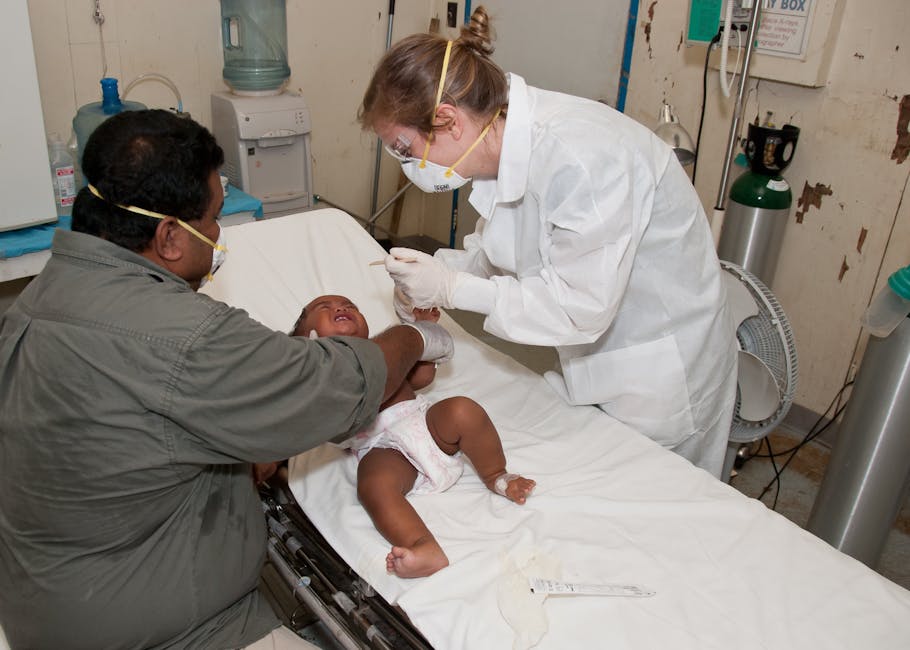
Malaria Deaths Are Rising: A Stark Reality Amidst Promising Vaccine Technology
World Malaria Day, observed on April 25th, finds little cause for celebration. Despite significant advancements in vaccine technology, global malaria cases and deaths have continued to climb, painting a grim picture of stalled progress in the fight against this ancient killer. The United Nations' target to end malaria epidemics by 2030, a cornerstone of the Sustainable Development Goals, now seems increasingly distant as critical resources and political commitment falter.
The Alarming Trend: Cases and Deaths on the Rise
The statistics are stark and deeply concerning. Global malaria cases, which stood at 238 million in 2018, surged to 282 million by 2024. Over the same period, deaths from the disease escalated from 575,000 to 610,000. With malaria remaining endemic in 80 countries, this upward trajectory threatens millions of lives, disproportionately impacting vulnerable populations in Africa, where over 90% of cases originate.
Also Read: Measles Outbreaks: Babies 'Sitting Ducks' - MCQs Included
A Paradox of Progress: The Advent of Vaccines
The current surge in malaria cases is particularly egregious given the development and endorsement of two groundbreaking vaccines: RTS,S and R21. The World Health Organization (WHO) recommended RTS,S in October 2021, a milestone hailed as a potential public health revolution. Two years later, the R21 vaccine received WHO endorsement. These vaccines represent a monumental leap forward, offering a crucial new weapon in the long-standing battle against malaria. To date, 25 countries have initiated immunization programs utilizing these vaccines.
The Implementation Gap: Reaching the Most Vulnerable
However, the promise of these vaccines is being undermined by a significant implementation gap. Despite their availability, they are not reaching many of the populations most at risk. This is acutely evident in countries like Tanzania, which, despite accounting for a substantial 4.3% of global malaria deaths in 2024, has not yet introduced these life-saving vaccines.
Also Read: Breakthrough: New High-Risk Heart Care Program Launched
Malaria Control: A Multi-faceted Approach Facing Hurdles
The eradication of malaria is not an insurmountable challenge. High-income nations and some middle-income countries have demonstrably succeeded in eliminating the disease. The current strategy involves a robust combination of tools:
- Vaccines: RTS,S and R21 offer new avenues for prevention, particularly in children.
- Mosquito Control: Long-established methods such as insecticide-treated bed nets remain vital.
- Antimalarial Drugs: Chemotherapy continues to be a critical component of treatment and prevention.
As Michael Charles, chief executive of the global RBM Partnership to End Malaria, stated, "We have more tools today than we’ve ever had before." Yet, the effective deployment of these tools hinges on improved coordination among governments, international donors, and public-health agencies. Critically, it demands substantial financial investment, a resource that is currently under severe strain globally.
Understanding the Malaria Parasite and Vaccine Development
Malaria is caused by parasites of the genus Plasmodium, transmitted through the bite of infected female Anopheles mosquitoes. The journey to developing effective vaccines was arduous, spanning decades, due to the parasite's complex life cycle and its sophisticated ability to evade the human immune system.
The Two Leading Vaccines: RTS,S and R21
The RTS,S vaccine, developed by GSK with support from the Bill & Melinda Gates Foundation, demonstrated significant efficacy in clinical trials, reducing malaria cases by nearly 56% in children aged 5-17 months over a 12-month period following three doses. The R21 vaccine, a product of the Jenner Institute at the University of Oxford, has shown even greater promise, achieving 75% efficacy in the same age group in areas with perennial malaria transmission.
| Vaccine | Developer | Target Age Group | Reported Efficacy (approx.) | Doses Required | Approximate Cost per Dose (Gavi) |
|---|---|---|---|---|---|
| RTS,S | GSK / Bill & Melinda Gates Foundation | 5-17 months | 56% (over 12 months after 3 doses) | 4 | $9.81 (projected to drop below $5 by 2028) |
| R21 | Jenner Institute, University of Oxford | 5-17 months | 75% (in perennial transmission areas) | 4 | $2.99 |
Challenges to Widespread Vaccine Implementation
While the efficacy of these vaccines is remarkable, several hurdles impede their widespread deployment:
- Dosing Schedule: Both vaccines require four doses for maximum efficacy, which can be costly and logistically challenging, especially for remote or low-income communities.
- Alignment with Routine Immunization: Vaccination timetables for malaria vaccines may not always align seamlessly with existing routine immunization schedules, complicating delivery.
- Seasonal Transmission: In regions with seasonal malaria transmission, optimal dosing requires precise timing before the onset of the malaria season, adding another layer of complexity.
The Overarching Crisis: Underfunding Global Public Health
The most significant obstacle remains the chronic underfunding of global public health initiatives. Gavi, the Vaccine Alliance, is a primary financier for malaria vaccines in low-income countries. Last year, Gavi secured approximately US$9 billion towards its $12 billion target for 2026-2030, but future funding is uncertain. The withdrawal of US contributions, announced by US Health Secretary Robert F. Kennedy Jr., poses a substantial risk.
This funding shortfall extends beyond vaccines. In 2023, total global funding for malaria control reached only $4 billion, less than half of the WHO's ambitious target of $8.3 billion. This scarcity forces countries into difficult choices, often pitting the rollout of new vaccines against the expansion of proven control measures like bed nets and antimalarial drugs.
Economic Realities: Vaccine Pricing and Production
The cost of vaccines, while decreasing, remains a factor. The R21 vaccine is priced at an accessible $2.99 per dose for Gavi, with manufacturers capable of producing up to 100 million doses annually. RTS,S, currently priced higher at $9.81 per dose, has a smaller production capacity of approximately 8 million doses per year, though GSK plans to increase production and reduce the price to under $5 by 2028.
Lessons from Elimination Successes
Countries like Egypt and Cabo Verde have successfully eliminated malaria by treating it as a national priority. Their success was underpinned by:
- Strong political will and commitment.
- Robust data collection and surveillance systems.
- Extensive community engagement and public health campaigns.
The Imperative: "Now We Can. Now We Must."
The World Malaria Day slogan, "Now we can. Now we must.," encapsulates the current dilemma. "Now we can" refers to the availability of powerful new tools like vaccines. "Now we must" underscores the moral imperative to act. "It’s unacceptable that in the twenty-first century, 600,000 children are losing their lives from a disease that is preventable and curable," emphasizes Charles. The path to malaria eradication is clear, but it requires an urgent and significant injection of funding and unwavering political will from the global community.
Frequently Asked Questions
Why are malaria deaths still rising despite the availability of vaccines?
Malaria deaths are rising due to a combination of factors, primarily a significant gap in funding for global public health and malaria control programs. Even though effective vaccines like RTS,S and R21 exist, they are not reaching all at-risk populations, especially in low-income countries. Challenges in vaccine rollout, logistical complexities, and the need for sustained funding for both vaccines and established control measures like bed nets and antimalarial drugs contribute to the ongoing rise in cases and deaths.
What are the two main malaria vaccines currently available?
The two main malaria vaccines are RTS,S, recommended by the WHO in 2021, and R21, endorsed by the WHO two years later. RTS,S was developed by GSK with support from the Bill & Melinda Gates Foundation, while R21 was developed by the Jenner Institute at the University of Oxford. Both have shown significant efficacy in preventing malaria, particularly in children.
What are the biggest challenges in rolling out malaria vaccines globally?
The main challenges include the cost and logistical complexities of administering the required four doses for maximum efficacy, especially in remote or low-income areas. Aligning malaria vaccination schedules with routine immunization programs, and ensuring timely delivery for seasonal transmission patterns, also present significant hurdles. Crucially, the overarching challenge is the severe underfunding of global public health, which forces difficult choices between vaccine rollout and other essential control measures.
How much funding is needed for malaria control, and where does it stand?
The WHO has set a target of $8.3 billion for global malaria control funding. However, in 2023, total funding reached only $4 billion, less than half of the target. Gavi, the Vaccine Alliance, is a key funder for malaria vaccines, aiming for approximately $12 billion for 2026-2030, but has only secured around $9 billion so far, with future funding uncertain due to potential reductions in contributions from major donors.
Which countries have successfully eliminated malaria, and what can be learned from them?
Countries like Egypt and Cabo Verde have successfully eliminated malaria. Their success demonstrates that eradication is achievable. Key factors in their success included treating malaria as a national priority, implementing robust data systems and surveillance, and engaging extensively with communities. These examples highlight the importance of sustained political will and comprehensive public health strategies.