
Meghalaya, a northeastern Indian state famed for its breathtaking pine-covered hills and abundant rainfall, is currently grappling with a silent but severe public health crisis: disproportionately high cancer incidence rates.
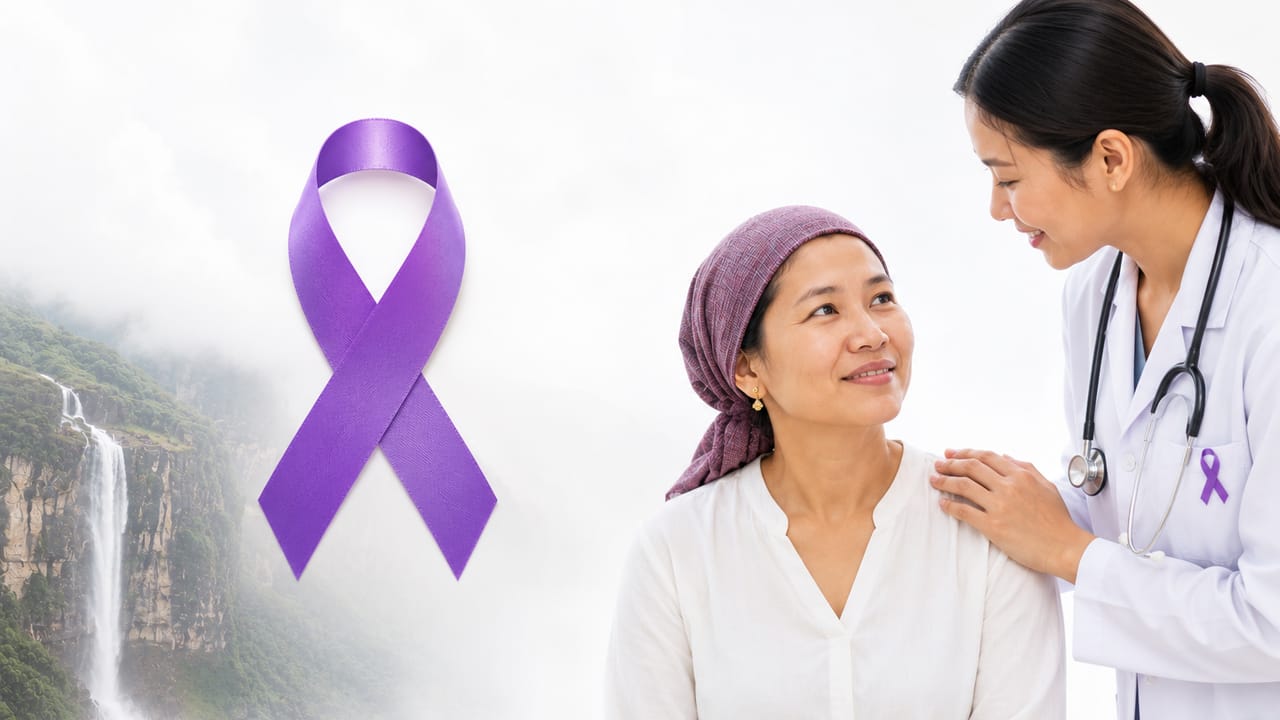
To combat this growing threat, state health officials, policymakers, and oncologists have issued an urgent, coordinated call for widespread early screenings, systemic lifestyle modifications, and proactive vaccination campaigns across vulnerable demographics.
The "From Hills to Hope" Campaign in West Jaintia Hills
In a direct response to the rising diagnostic numbers, the State Cancer Society of Meghalaya recently organized a public walkathon under the banner "From Hills to Hope – Walking for a Cancer-Free Meghalaya". Held in Jowai, the administrative headquarters of the West Jaintia Hills district, the event aimed to mobilize community action, dispel cultural stigmas surrounding cancer diagnoses, and actively engage the local youth in preventative healthcare advocacy.
Addressing the gathering, Meghalaya's Health and Family Welfare Minister, Wailadmiki Shylla, emphasized that the state government is rapidly expanding its diagnostic footprint to make early detection accessible to all. "Early detection is extremely important," Shylla noted. "Identifying cancer at an early, localized stage significantly improves the treatment prognosis, drastically reduces healthcare costs, and increases the likelihood of long-term recovery and survival."
Decentralizing Healthcare: Screening at the Grassroots
Recognizing that remote geography often prevents rural populations from seeking timely medical care, the government of Meghalaya has integrated cancer screening and testing services into its primary healthcare infrastructure. Diagnostic services are no longer restricted to tertiary hospitals in the capital, Shillong. Instead, screening facilities have been successfully rolled out across:
- Sub-centres
- Primary Health Centres (PHCs)
- Community Health Centres (CHCs)
- District-level Government Hospitals
By decentralizing these services, the state hopes to capture asymptomatic cases early, transforming cancer care from a reactive model to a proactive, preventative framework.
Alleviating the Economic Burden: Financial Assistance Schemes
Oncological treatments can cause catastrophic financial distress for families. To protect citizens from medical bankruptcy, the Meghalaya government has implemented robust financial safety nets. Eligible patients can access substantial funding through dual-tier state schemes:
| Scheme Name | Financial Assistance Limit | Key Coverage Details |
|---|---|---|
| Meghalaya Health Insurance Scheme (MHIS) | Up to Rs 5 Lakh per family | Covers hospitalization, diagnostic tests, surgical interventions, and chemotherapy procedures. |
| Chief Minister’s CM Care Scheme | Additional Rs 2 Lakh | Provides supplementary financial relief for extended oncological care and specialized medication. |
The Epidemiological Landscape: Why Are Rates So High?
According to clinical insights from Dr. JCA Lamin, a leading oncologist at the Shillong Medical College and Civil Hospital, Meghalaya consistently records some of the highest age-adjusted cancer incidence rates in India. In particular, oesophageal cancer ranks as the most prevalent malignancy in the state, closely followed by oral cancer.
Oncologists point out that nearly 70% to 80% of these cases are linked directly to preventable lifestyle choices and localized socio-cultural habits. The primary risk factors driving the state's cancer crisis include:
| Risk Factor | Impact & Common Local Associations |
|---|---|
| Tobacco Consumption | High rates of both smoked tobacco and smokeless tobacco use. |
| Areca Nut (Betel Nut) Chewing | The traditional consumption of 'Kwai' (areca nut and betel leaf with slaked lime) is culturally ubiquitous and highly carcinogenic. |
| Alcohol Abuse | Sustained, heavy alcohol usage compounding the carcinogenic effects of tobacco. |
| Unhealthy Diets & Sedentary Lifestyle | Diets lacking fresh green vegetables, combined with minimal physical exercise. |
| Environmental Factors | Local pollution exposure and specific household biological carcinogens. |
| Human Papillomavirus (HPV) | High prevalence of HPV strains contributing to cervical and related mucosal cancers. |
Recognizing the Warning Signs
Medical experts urge citizens to remain vigilant and avoid ignoring persistent bodily changes. Dr. Lamin emphasized that early intervention starts with recognizing symptoms. The public is advised to seek immediate medical consultation at their nearest PHC if they experience any of the following warning signs:
- Unexplained, rapid weight loss
- A persistent cough or chronic hoarseness
- Sores or mouth ulcers that do not heal within two weeks
- Chronic difficulty swallowing (dysphagia) or persistent indigestion
- Unusual lumps, thickening, or swelling in any part of the body
A Preventative Shield: Free HPV Vaccination for Young Girls
In addition to screening, Meghalaya is tackling cancer at its biological root by rolling out a state-sponsored, free Human Papillomavirus (HPV) vaccination program. The initiative targets young girls aged 12 to 14, offering them a highly effective defense against cervical cancer, which remains a leading cause of cancer deaths among women in the region. Minister Shylla urged parents, school administrators, and community leaders to ensure that all eligible young girls receive the vaccine, calling it a vital, long-term investment in the health of the state's future generations.
The Road Ahead
While the state faces an uphill battle against deeply entrenched cultural habits like the chewing of betel nut, the integration of free local screenings, robust state insurance schemes, and youth-focused vaccination drives represent a comprehensive strategy. Through sustained public awareness and clinical accessibility, Meghalaya aims to transition from a region of high oncological concern to a model state for preventative public health in Northeast India.
Frequently Asked Questions
Why does Meghalaya have such high cancer rates?
The high incidence is primarily linked to lifestyle and cultural habits, notably the extensive use of tobacco (both smoked and smokeless), the widespread traditional chewing of betel nut (Kwai) with slaked lime, high alcohol consumption, and high rates of HPV infection.
What are the most common types of cancer in Meghalaya?
Oesophageal (throat/food pipe) cancer is the most common form of cancer diagnosed in the state, followed closely by oral cancers.
What financial assistance does the Meghalaya government offer for cancer treatment?
Patients can receive up to Rs 5 Lakh under the Meghalaya Health Insurance Scheme (MHIS), and an additional Rs 2 Lakh through the Chief Minister's CM Care Scheme to help offset the cost of treatment.
Who is eligible for the free HPV vaccine in Meghalaya?
The state-sponsored free HPV vaccination drive specifically targets young girls between the ages of 12 and 14 to prevent cervical cancer.