
World Hypertension Day 2026: Experts Sound Alarm on Escalating Hypertension Among Young Indians
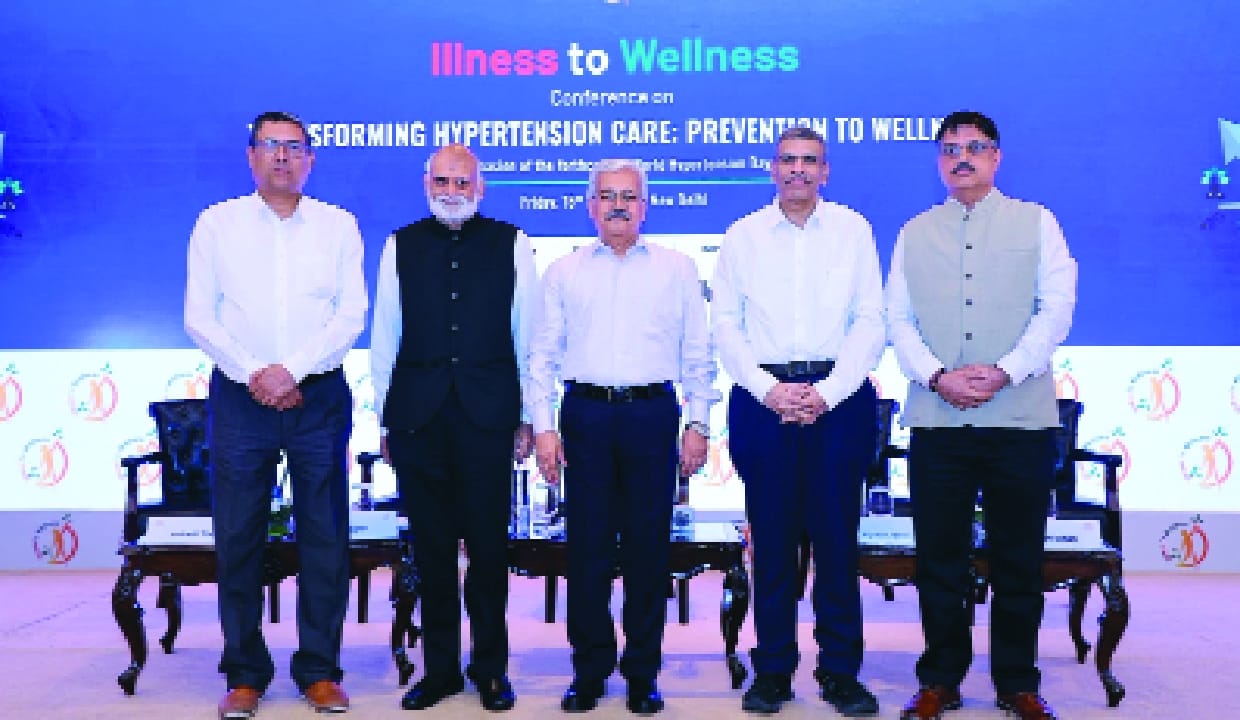
Ahead of World Hypertension Day 2026, a stark warning has emerged from a high-profile health conference in New Delhi: hypertension, once primarily associated with older age groups, is now alarmingly prevalent among India's youth. The 'Illness to Wellness Conference on Transforming Hypertension Care' brought together leading doctors, policymakers, and public health advocates to address the escalating crisis.
The Silent Killer Strikes a New Demographic
The traditional image of hypertension as a condition affecting the elderly is rapidly becoming obsolete. Experts at the conference highlighted that modern lifestyles, characterized by chronic stress, prolonged working hours, insufficient sleep, and a sedentary existence with limited physical activity, are paving the way for hypertension to creep into the lives of young Indians. Often, the condition progresses unnoticed, causing significant damage before symptoms become apparent.
A Paradigm Shift Needed: From Treatment to Prevention
A central theme of the conference, organized by the Illness to Wellness Foundation with The Pioneer as media partner and FICCI as association partner, was the urgent need to reorient India's healthcare approach. Speakers passionately argued for a move away from a purely treatment-centric model towards robust strategies focused on prevention, early screening, and sustained long-term wellness.
Also Read: Cortisol Reset 2026: 5 Proven Ways to Lower Stress Hormones Naturally
Lifestyle and Neglect: The Driving Forces
In a poignant video message, Union Minister of State for Ayush and Health and Family Welfare, Prataprao Jadhav, pointed to evolving lifestyles and a collective neglect of both physical and mental well-being as primary contributors to the surge in hypertension among younger demographics. He reiterated that hypertension is a 'silent killer,' often presenting without noticeable symptoms, yet carrying the potential for catastrophic complications such as strokes and heart attacks.
Hypertension: No Longer Just an Urban Epidemic
Rajesh Bhushan, former Union Health Secretary and Chairperson of the Governing Council of the Illness to Wellness Foundation, dispelled the myth that hypertension is exclusively an urban problem. "We often assume this is only a metropolitan problem because we live in cities. But hypertension is equally prevalent in rural India," he stated. Bhushan underscored that delayed diagnosis remains a significant impediment to effective management and treatment.
Also Read: Low Birth Weight and Stroke Risk in Healthy Adults
Modern Living's Toll on Health
Anil Rajput, Chairperson of the Advisory Council of the Illness to Wellness Foundation, drew a direct line between the rise in lifestyle diseases and contemporary living patterns. He emphasized how sedentary work cultures, chronic stress, poor sleep hygiene, and incessant digital engagement contribute to a heightened risk of developing conditions like hypertension.
The Pervasive Public Health Challenge
Dr. Ripen Gupta, Vice Chairman and Unit Head of Cardiology at Max Smart Super Speciality Hospital, Saket, described hypertension as one of the most formidable public health challenges. He noted that a substantial number of individuals only seek medical attention when complications arise, leading to poor outcomes. "Nearly one in four adults is affected by hypertension, but awareness and blood pressure control remain low," he stated, highlighting a critical gap in public health initiatives.
Challenges in Monitoring and Adherence
Professor Rakesh Yadav from AIIMS raised concerns about irregular treatment and inadequate monitoring exacerbating the problem. He sounded a serious warning about hypertension increasingly impacting children and young adults. "People still do not monitor their blood pressure regularly or continue medication consistently," he observed, pointing to a lack of consistent self-care and adherence to medical advice.
Key Focus Areas Addressed at the Conference
The conference featured critical discussions on specific aspects of hypertension:
- Hypertension in Pregnancy: This session delved into the risks associated with hypertension during pregnancy for both mothers and infants, emphasizing the need for specialized care and monitoring.
- Systemic Impact of Hypertension: Another focus area examined the profound effects of uncontrolled hypertension on vital organs such as the heart, brain, and kidneys, underscoring the long-term consequences of the condition.
Understanding Hypertension: A Quick Overview
Hypertension, commonly known as high blood pressure, is a chronic medical condition where the blood pressure in the arteries is persistently elevated. This forces the heart to work harder to pump blood, potentially leading to severe health problems over time.
| Risk Factor | Description | Prevention/Management Strategy |
|---|---|---|
| Unhealthy Diet | High intake of salt, saturated fats, and processed foods. | Balanced diet rich in fruits, vegetables, whole grains; low sodium intake. |
| Physical Inactivity | Lack of regular exercise and a sedentary lifestyle. | Aim for at least 150 minutes of moderate-intensity aerobic activity per week. |
| Obesity | Excess body weight increases the risk significantly. | Maintain a healthy weight through diet and exercise. |
| Stress | Chronic stress can elevate blood pressure. | Stress management techniques like meditation, yoga, and mindfulness. |
| Smoking and Alcohol | Both can acutely and chronically raise blood pressure. | Quit smoking and moderate alcohol consumption. |
| Family History | Genetic predisposition can play a role. | Regular monitoring and adherence to medical advice are crucial. |
The Path Forward: Collective Action and Awareness
The insights from the 'Illness to Wellness Conference' underscore a critical juncture for India's public health. Addressing the rising tide of hypertension among young Indians requires a concerted effort from individuals, healthcare providers, and policymakers to prioritize preventive measures, enhance awareness, and foster healthier lifestyle choices across the nation.
Frequently Asked Questions
Why is hypertension increasing among young Indians?
Hypertension is increasing among young Indians due to modern lifestyle factors such as chronic stress, long working hours, poor sleep patterns, sedentary jobs, lack of physical activity, and unhealthy dietary habits.
What are the main risks associated with hypertension?
The main risks associated with hypertension, often called a 'silent killer,' include serious complications like strokes, heart attacks, and damage to vital organs such as the heart, brain, and kidneys.
Is hypertension only a problem in urban areas of India?
No, experts at the conference clarified that hypertension is no longer confined to urban India and is equally prevalent in rural areas. Delayed diagnosis remains a significant barrier across all regions.
What is the Illness to Wellness Conference advocating for?
The Illness to Wellness Conference advocates for a crucial shift in healthcare strategy from a treatment-only approach to one that prioritizes prevention, early screening, and long-term wellness strategies for managing and combating hypertension.
How can individuals prevent or manage hypertension?
Individuals can prevent or manage hypertension by adopting a balanced diet low in sodium, engaging in regular physical activity, maintaining a healthy weight, managing stress effectively, avoiding smoking, and moderating alcohol consumption. Regular blood pressure monitoring and consistent adherence to medical advice are also vital.