
One Common Habit Can Make Your Insomnia Worse, Expert Explains
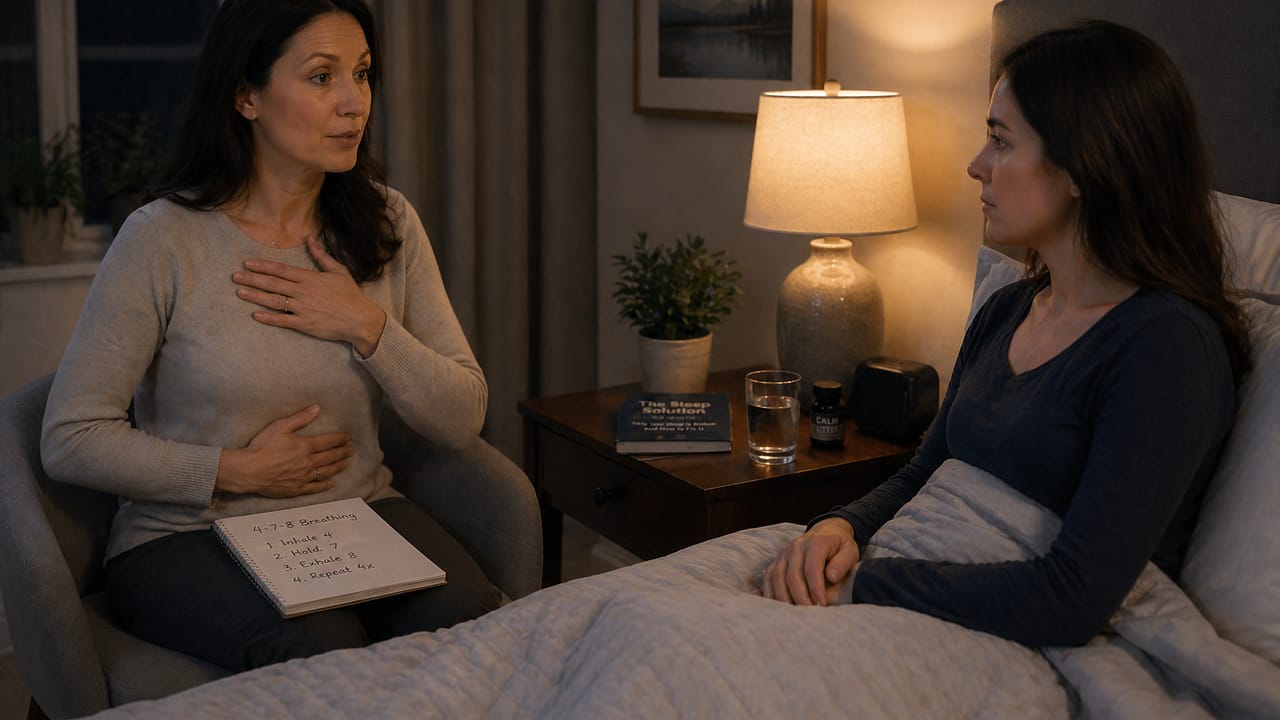
In Britain, for instance, sleep deprivation has emerged as one of the most prevalent psychological issues, with approximately one-third of adults reporting frequent symptoms of insomnia.
The Evolving Understanding of Insomnia: From Secondary to Independent Disorder
A pivotal shift in our comprehension of chronic sleep deprivation is the recognition that insomnia rarely occurs in isolation. Historically, insomnia coupled with other medical or psychological conditions, such as diabetes, hypertension, chronic pain, thyroid disease, gastrointestinal issues, anxiety, or depression, was classified as 'secondary insomnia.' This classification implied that insomnia was merely a symptom or a direct consequence of these underlying ailments, and consequently, clinicians often did not prioritize its direct treatment.
However, emerging research and clinical observations in the early 2000s challenged this long-held perspective. Evidence began to mount that insomnia could, in fact, precede other conditions or persist independently long after a primary illness had been resolved. This led to a crucial reclassification, abandoning the primary/secondary distinction and acknowledging insomnia as a distinct disorder requiring its own targeted interventions. This paradigm shift has been instrumental in recognizing insomnia as an independent entity with its own therapeutic pathways.
Also Read: 7 signs body needs sleep recovery
The Bidirectional Link Between Insomnia and Other Health Conditions
Furthermore, a growing body of research demonstrates a powerful bidirectional relationship between insomnia and other health issues. Treating sleep problems has been shown to positively impact a range of chronic conditions. Patients struggling with chronic pain, chronic heart failure, depression, psychosis, alcohol dependency, bipolar disorder, and PTSD have reported significant improvements when their sleep disturbances are effectively addressed.
Who is Most Vulnerable to Insomnia?
Recent decades have seen an accumulation of robust international data highlighting the widespread nature of insomnia. While it can affect anyone, certain demographics are more susceptible. Women, older adults, and individuals from lower socio-economic backgrounds are identified as particularly vulnerable. This increased susceptibility can be attributed to a complex interplay of biological, psychological, and social risk factors that collectively heighten the risk of prolonged sleep disruption.
For women, the physiological and social demands can be particularly taxing. Factors such as hormonal fluctuations during menstruation, pregnancy, childbirth, and menopause, alongside the societal roles of caregiving, higher incidences of domestic violence, and a greater prevalence of depression and anxiety, all contribute to increased opportunities for disrupted sleep patterns.
Also Read: Energy Flow & Health: Are You Missing This Key Factor? (Quiz Included)
Current Research Frontiers and the Insidious Habit
Current insomnia research continues to explore nuanced aspects, such as differentiating between various types of insomnia symptoms and their specific links to health and cognitive performance risks. For instance, research suggests that difficulty initiating sleep may be more strongly associated with an increased risk of depression compared to difficulty staying asleep or early morning awakenings. Scientists are also investigating the precise changes in brain activity, heart rate variability, and stress hormone levels that characterize insomnia. Like many other mental health disorders, definitive biomarkers for insomnia are still elusive.
However, significant progress has been made in identifying and mitigating habits that can prevent transient insomnia episodes from escalating into chronic, treatment-resistant insomnia disorder. A diagnosis of chronic insomnia is typically made when symptoms occur on most nights for over three months.
The Bed-Related Habit That Sabotages Sleep
One of the most common and counterproductive habits that develops during periods of insomnia is the act of lying in bed, consciously trying to force sleep. Scientific understanding reveals that this behavior leads to sustained cognitive arousal. Over time, the brain begins to associate the bed not with rest and sleep, but with wakefulness and frustration. This creates a detrimental feedback loop that exacerbates sleep difficulties.
What to Do Instead: Breaking the Bed-Sleep Association
The expert recommendation is clear: if you find yourself unable to sleep after a reasonable period (e.g., 20-30 minutes), get out of bed. Engage in a quiet, calming, and absorbing activity in another room. Suitable activities include:
- Reading a book (physical book preferred over screens in the digital era)
- Writing a to-do list for the following day to clear your mind
- Listening to calming music or a podcast
- Practicing relaxation techniques such as deep breathing exercises
The key is to choose activities that do not overstimulate you. Once you start feeling genuinely sleepy again, return to bed. This strategy helps to re-establish the association between your bed and sleep, rather than wakefulness and anxiety.
The Role of Napping and Daytime Sleepiness
While a well-timed, short nap (maximum 20 minutes) in the early afternoon can be beneficial if you feel tired the next day, caution is advised. Excessive or poorly timed daytime sleep can paradoxically reduce your sleepiness at night, making it even harder to fall asleep. Therefore, naps should be used judiciously.
Effective Treatments for Insomnia Disorder
For individuals struggling with persistent insomnia, effective treatments are available. The shift in diagnostic understanding from 'secondary insomnia' to 'insomnia disorder' has paved the way for specialized interventions. The gold standard treatment is Cognitive Behavioral Therapy for Insomnia (CBTI).
Cognitive Behavioral Therapy for Insomnia (CBTI) Explained
CBTI is a comprehensive, structured program designed to modify both the behavioral and cognitive factors that contribute to insomnia. It aims to maximize sleepiness at bedtime and improve sleep efficiency. Key components often include:
| Technique | Description | Goal |
|---|---|---|
| Sleep Restriction Therapy | Limiting time spent in bed to the actual amount of sleep achieved. | Increase sleep drive and consolidate sleep. |
| Stimulus Control Therapy | Re-associating the bed with sleep by only going to bed when sleepy and getting out of bed if unable to sleep. | Strengthen the bed-sleep connection. |
| Cognitive Restructuring | Identifying and challenging unhelpful thoughts and beliefs about sleep. | Reduce pre-sleep anxiety and worry. |
| Relaxation Techniques | Teaching methods like progressive muscle relaxation or mindfulness to calm the mind and body. | Promote a state conducive to sleep. |
| Sleep Hygiene Education | Providing information on healthy sleep habits and environmental factors. | Optimize conditions for sleep. |
Predictors of CBTI Success
While CBTI is broadly effective, certain factors can predict a more favorable outcome, including:
- Shorter duration of insomnia symptoms (measured in years rather than decades).
- Lower levels of co-occurring depression or chronic pain.
- More positive expectations and beliefs about the effectiveness of CBTI.
Barriers to Treatment and Pharmaceutical Alternatives
Despite the proven efficacy of CBTI, a significant challenge remains: only a small fraction of individuals experiencing insomnia symptoms seek professional help. Reasons for this underutilization include perceiving symptoms as trivial or manageable, a lack of awareness regarding available treatments, or the unavailability of CBTI services. The limited availability of CBTI in clinical practice is often attributed to clinicians' unfamiliarity with the program and insufficient funding, pushing many patients towards prescription sleeping pills.
The Downsides of Sleeping Tablets
Sleeping tablets, while offering short-term relief, are generally not considered a suitable long-term solution. They are associated with a range of adverse effects, including:
- Significant cognitive and motor impairment
- Increased risk of falls, particularly in older adults
- Dependence, tolerance, and withdrawal symptoms upon discontinuation
- Daytime lethargy, dizziness, and headaches
Newer Pharmacological Options: DORAs
The pharmaceutical landscape has seen the introduction of dual orexin receptor antagonists (DORAs), a newer class of sleep medications. These drugs appear to have a more favorable safety profile compared to traditional sedatives, particularly concerning dependence. However, DORAs are not without risks and are still considered relatively new to the market. Long-term safety data for their prolonged use in insomnia patients is still being gathered, with the first DORA approved in the UK only in 2022.
Accessible Alternatives: Online CBTI
Fortunately, accessible and effective alternatives to traditional clinical CBTI are emerging. Online self-delivered CBTI programs, often available through platforms like Sleepful, offer a free and convenient way for individuals to access evidence-based sleep interventions. These platforms can bridge the gap for those who face barriers to traditional therapy.
Conclusion: Harnessing Progress in Sleep Medicine
The past two decades have marked substantial progress in sleep medicine, offering renewed hope and effective strategies for individuals suffering from insomnia. By understanding the evolving nature of insomnia, recognizing the impact of detrimental habits, and embracing evidence-based treatments like CBTI, those affected can find pathways to improved sleep and overall well-being. The critical step is to bridge the gap between the availability of these advancements and their accessibility to the people who need them most.
Insomnia Habit Quiz: Test Your Knowledge
REPORT CARD
ATTEMPTED QUESTIONS: 0CORRECT ANSWERS: 0
WRONG ANSWERS: 0
PRACTICE REGULARLY!
Frequently Asked Questions
What common habit can make insomnia worse?
Lying in bed awake and trying to force sleep is a common habit that can make insomnia worse. This behavior can teach your brain to associate the bed with wakefulness and frustration, rather than sleep.
What is the recommended action if you can't sleep?
If you can't fall asleep after about 20-30 minutes, you should get out of bed and engage in a calm, absorbing activity until you feel sleepy again. Then, return to bed. This helps break the negative association with your bed.
What is the gold standard treatment for chronic insomnia?
Cognitive Behavioral Therapy for Insomnia (CBTI) is considered the gold standard treatment. It's a package of techniques designed to modify behaviors and mental activities that contribute to insomnia.
Are sleeping pills a good long-term solution for insomnia?
No, traditional sleeping pills are generally not recommended as a long-term solution due to risks like dependence, withdrawal symptoms, cognitive impairment, and increased fall risk. Newer options like DORAs exist but require more long-term data.
Can improving sleep positively impact other health conditions?
Yes, research indicates that addressing sleep problems can lead to improvements in other health conditions such as chronic pain, depression, PTSD, hypertension, and heart failure.