
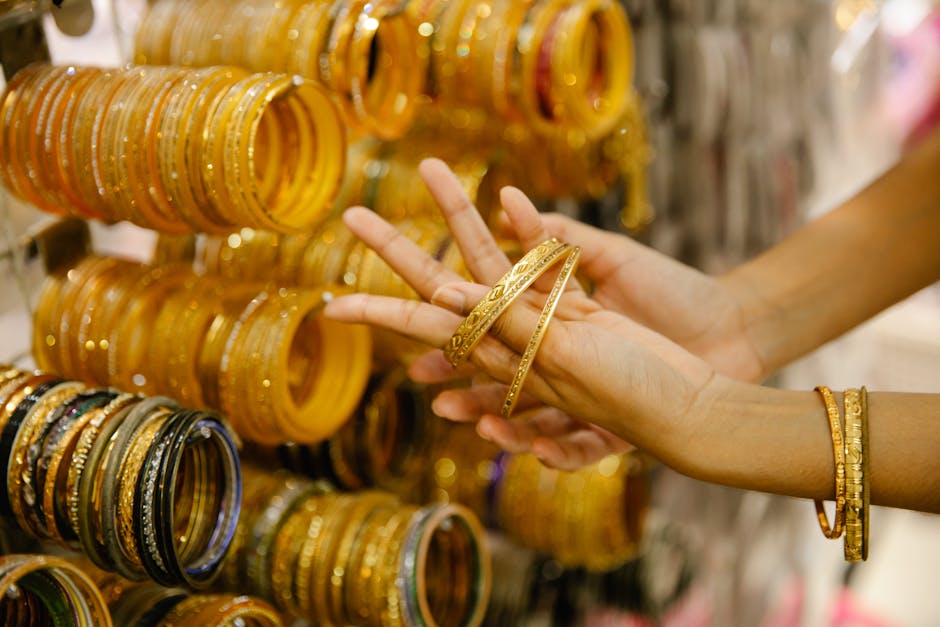
Akshaya Tritiya Sees Subdued Demand as Gold Prices Surge
India's auspicious Akshaya Tritiya festival, traditionally a peak period for gold purchases, witnessed a subdued response this year. Record-high gold prices significantly curbed consumer appetite for jewellery, leading to tepid demand despite the festival's cultural significance in driving precious metal sales.
Also Read: Top 5 Intraday Trading Tips for Beginners to Win Big
While overall buying volumes saw a dip, consumers showed a marginal increase in investment demand. This indicates a subtle shift in purchasing behavior, with buyers increasingly opting for gold coins and bars as a more liquid investment, even as jewellers attempted to entice customers with discounts on making charges for jewellery.
According to industry experts, the sharp rally in gold prices played a crucial role in dampening jewellery sales. "The sharp rally in prices curbed jewellery demand. In volume terms, buying was lower as consumers held back, though in value terms spending was higher due to elevated prices," stated Amit Modak, Chief Executive of PN Gadgil and Sons, a prominent Pune-based jeweller.
Gold Price Trends and Market Impact
Gold prices have seen a significant upward trajectory. International gold prices reached a record high of $5,594.82 per ounce on January 29, and were trading around $4,861. In India, gold futures closed at 154,609 rupees ($1,670) per 10 grams on Friday, marking an increase of nearly 63% compared to the previous Akshaya Tritiya festival. This trend mirrors movements in other sectors where oil markets diverge based on fluctuations in futures and physical supply.
This substantial price rise has made gold less accessible for discretionary jewellery purchases, particularly for price-sensitive consumers. Surendra Mehta, National Secretary at the India Bullion and Jewellers Association, noted that demand was lower than normal across most of the country, with the exception of a few southern Indian states.
Shifting Consumer Behavior in Gold Purchases
The festival's outcome highlights evolving consumer trends in India, the world's second-largest gold consumer. Instead of concentrating purchases solely around major festivals like Akshaya Tritiya and Dhanteras, buyers are increasingly adopting a year-round strategy.
"Gold-buying patterns in India are changing, with purchases no longer concentrated only during festivals as price-sensitive buyers make purchases throughout the year whenever prices dip," observed a Mumbai-based bullion dealer with a private bank.
Also Read: Vintage Plates: Uncover Hidden Treasures Worth a Fortune
This strategy is further supported by the growing popularity of gold coins, which are perceived as easier to liquidate compared to intricate jewellery pieces. For investors seeking diversification, understanding intraday trading strategies can complement their portfolio of physical assets like gold. This shift is prompting jewellers to adapt their offerings and marketing strategies.
Key Statistics and Industry Insights
Data from the World Gold Council paints a clear picture of these changing dynamics:
| Category | Change (%) | Notes |
|---|---|---|
| Jewellery Demand | -24% | Significant decrease due to price surge. |
| Investment Demand | +17% | Reached highest levels since 2013. |
The data underscores a move away from traditional jewellery consumption towards gold as a strategic investment asset. This trend is likely to influence market strategies and product development by industry players in the coming years.
Government Support for Gold Imports
In related news, the Indian government issued an order on Friday authorising specific banks to import gold and silver. This move provides much-needed relief to banks that had to halt their import operations due to delays in the publication of the authorised list, thereby aiming to stabilize supply chains and potentially influence domestic prices.
Frequently Asked Questions
Why was demand for gold subdued during Akshaya Tritiya?
Demand for gold was subdued during Akshaya Tritiya primarily due to record-high gold prices. This surge in prices deterred many consumers from making jewellery purchases, which is a traditional mainstay of the festival.
What is the current trend in Indian gold buying patterns?
Indian gold buying patterns are shifting. Consumers are becoming more price-sensitive and are increasingly making purchases throughout the year whenever prices dip, rather than concentrating them solely around festivals. There's also a notable rise in investment demand, with a preference for gold coins due to their easier liquidity.
How did jewellery and investment demand compare?
According to World Gold Council data for 2025, India's jewellery demand fell by 24% compared to the previous year. In contrast, investment demand rose by 17%, reaching its highest level since 2013, indicating a preference for gold as an investment asset.
What is the significance of the government's order on gold imports?
The government's order authorising specific banks to import gold and silver provides relief to the industry. Delays in this list publication had halted imports, and its release aims to stabilize supply chains and potentially influence domestic gold prices.